2026 FIFA World Cup Groups and Symbols
The 2026 FIFA World Cup groups do more than sort teams into a bracket. They set the tone for the tournament, shape early rivalries, and give fans a fast way to size up the field. With 48 teams, the men’s World Cup now opens with 12 groups of four, and the tournament expands into a 32-team knockout stage after group play. The top two teams in each group advance, along with the eight best third-place teams.
This version of the guide adds one more layer: team symbols and mascot-style identities. That matters because fans often connect with a team through an animal, nickname, or visual character before they ever dig into tactics. One quick accuracy note keeps the whole thing onside: the official 2026 FIFA World Cup mascots are only the host-tournament trio — Maple the Moose for Canada, Zayu the Jaguar for Mexico, and Clutch the Bald Eagle for the United States. For the other nations below, the “mascots” are better understood as symbolic identities, national animals, or fan-friendly nickname characters rather than official FIFA mascots.
Why the World Cup Uses Groups
The 2026 FIFA World Cup group stage exists to make a huge tournament manageable, fair, and watchable. Groups guarantee that every nation plays multiple matches, prevent the event from becoming a one-loss sprint, and help FIFA spread teams across the schedule more evenly. The 2026 draw also followed confederation and seeding rules, with the host nations fixed into their assigned groups.
That structure is practical, but it also adds story. Every group becomes its own little drama: favorites, spoilers, dark horses, and one team that plans to make everybody else miserable in the most sporting way possible.
In this guide, some teams are paired with official host mascots, while others are represented by national symbols, football nicknames, or fan-friendly character identities used to capture the spirit of each side.
Group A
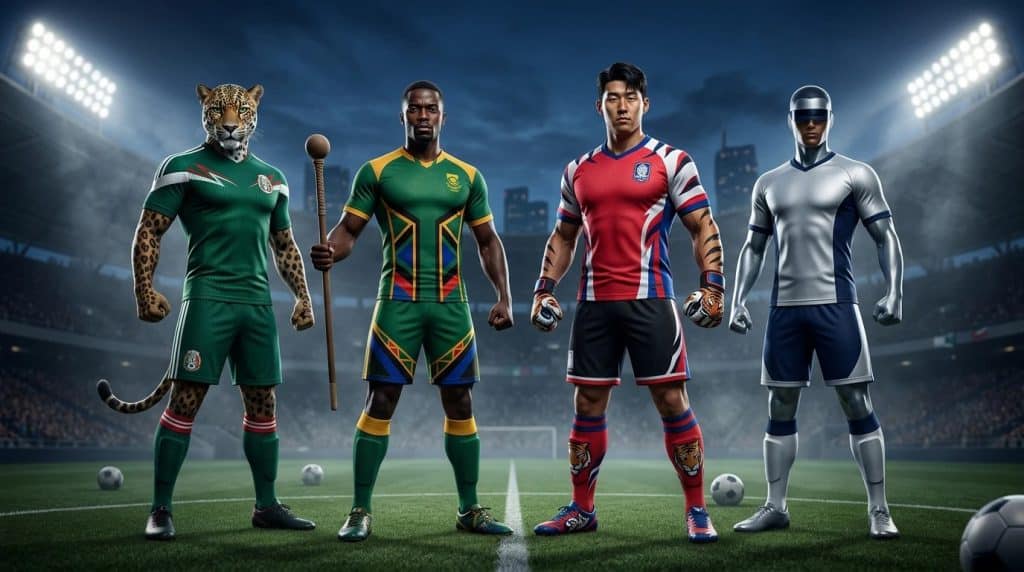
Mexico — Zayu the Jaguar
Mexico opens Group A as a host nation alongside South Africa, Korea Republic, and European Play-Off D. Zayu, the official Mexican host mascot, represents strength, agility, and cultural pride. A jaguar fits Mexico beautifully because it feels powerful, quick, and unmistakably rooted in the region’s history.
South Africa — Bafana Bafana / national pride symbol
South Africa’s football identity often centers on Bafana Bafana, a nickname tied to youthful energy and national spirit. In mascot terms, that represents pace, resilience, and a team that usually arrives with emotion turned up a notch.
Korea Republic — Taeguk tiger style identity
The Republic of Korea is often linked in fan culture to tiger imagery and disciplined intensity. That kind of symbol suggests speed, sharpness, and a team that rarely wastes movement.
European Play-Off D
This slot stayed unresolved at the final draw, which gives Group A a built-in mystery box. It is official and unfinished at the same time, which is very World Cup.
Group B
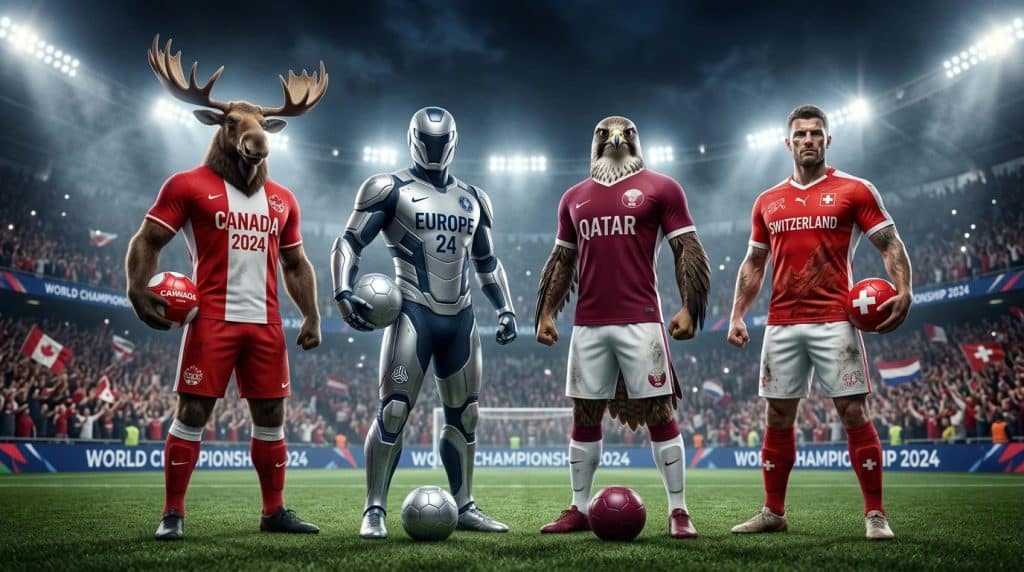
Canada — Maple the Moose
Group B includes Canada, European Play-Off A, Qatar, and Switzerland. Maple, Canada’s official host mascot, represents resilience, creativity, and home-soil pride. A moose is a clever fit because it feels distinctly Canadian and sturdy enough to stand in front of a goal and deny your joy.
Qatar — falcon-style national symbol
Qatar is often paired with falcon imagery, which signals precision, speed, and national pride. It is a clean visual shorthand for a team that wants to look composed and dangerous.
Switzerland — alpine strength / Nati identity
Switzerland’s image in football tends to lean toward order, balance, and reliability. A symbolic alpine character works because it suggests steadiness, discipline, and very little interest in your flashy nonsense.
Group C
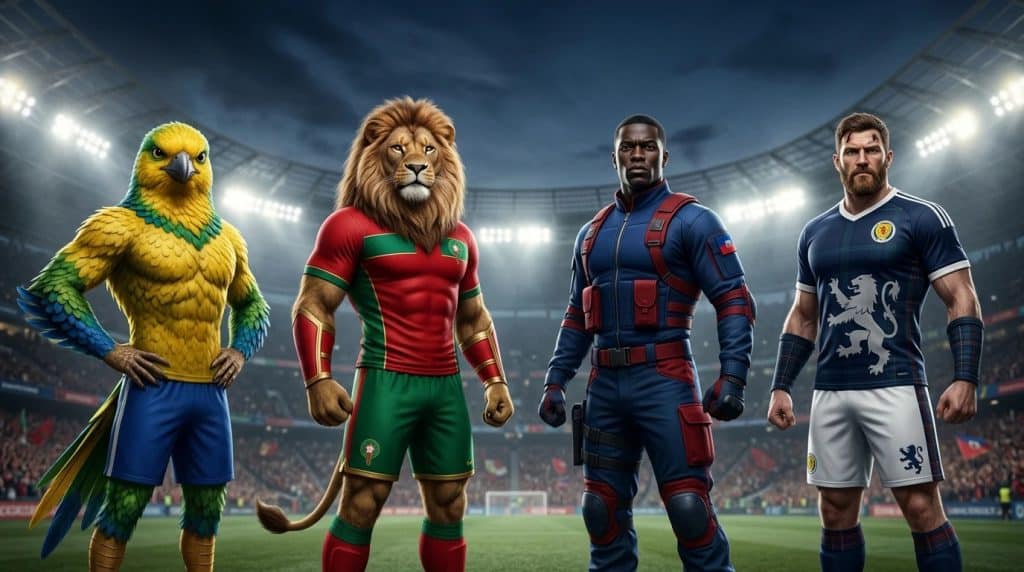
Brazil — canary / Seleção symbol
Group C features Brazil, Morocco, Haiti, and Scotland. Brazil’s classic football identity is the Canarinho, the little canary, which reflects the famous yellow shirt and a lighter, more expressive football tradition. It is one of the sport’s best-known visual identities, proof that a small bird can still carry a huge swagger.
Morocco — Atlas Lion
Morocco’s lion symbolism suggests courage, leadership, and growing confidence in football. It fits a team whose reputation has climbed fast in recent years.
Haiti — Grenadiers
The Grenadiers’ identity points to determination and fighting spirit. For a World Cup setting, it represents grit, pride, and a team that will not want its trip remembered as a cameo.
Scotland — lion rampant / Tartan Army spirit
Scotland’s imagery tends to mix the Tartan Army with classic national heraldry. That means pride, noise, and a fan base capable of entering a stadium as if it were already halftime at a wedding.
Group D
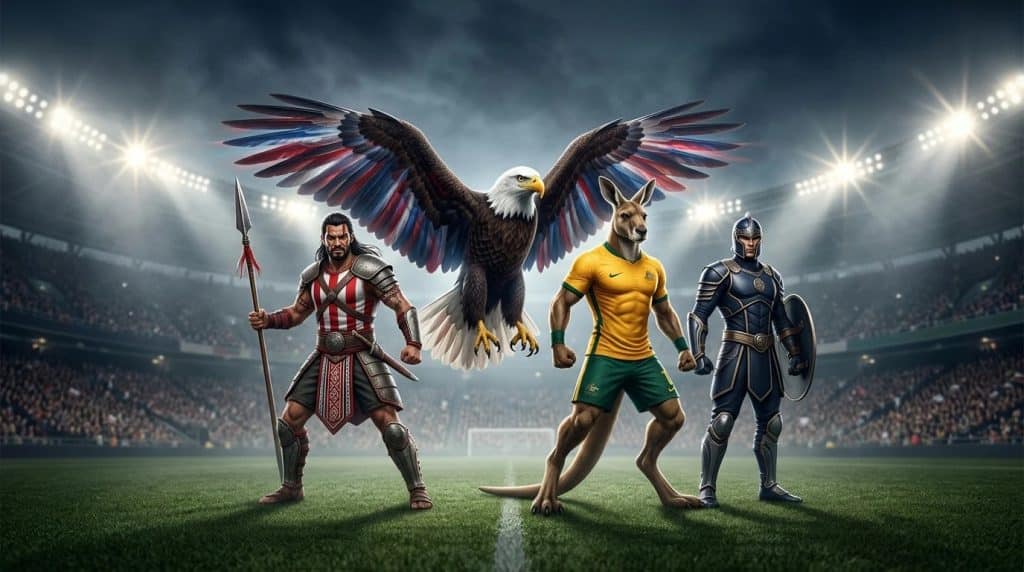
United States — Clutch the Bald Eagle
Clutch, the official U.S. host mascot, represents leadership, courage, and confidence in pressure moments. The bald eagle is obvious, patriotic, and effective — the mascot equivalent of wearing a star-spangled blazer and meaning it.
Paraguay — La Albirroja
Paraguay’s identity is usually tied to the red-and-white shirt and a reputation for toughness. A strong bird- or warrior-style symbol fits, as this team often prefers competitive discomfort to decorative football.
Australia — Socceroos / kangaroo identity
Australia’s kangaroo symbolism suggests bounce, stamina, and relentless motion. It is one of the easiest national-team symbols in the tournament to recognize.
Turkey — Crescent & Star / Grey Wolf Symbolism
Turkey’s national imagery combines the crescent and star with cultural references to the Grey Wolf. Together, they represent resilience, unity, and a fiercely competitive edge that tends to show up when matches get intense.
Group E
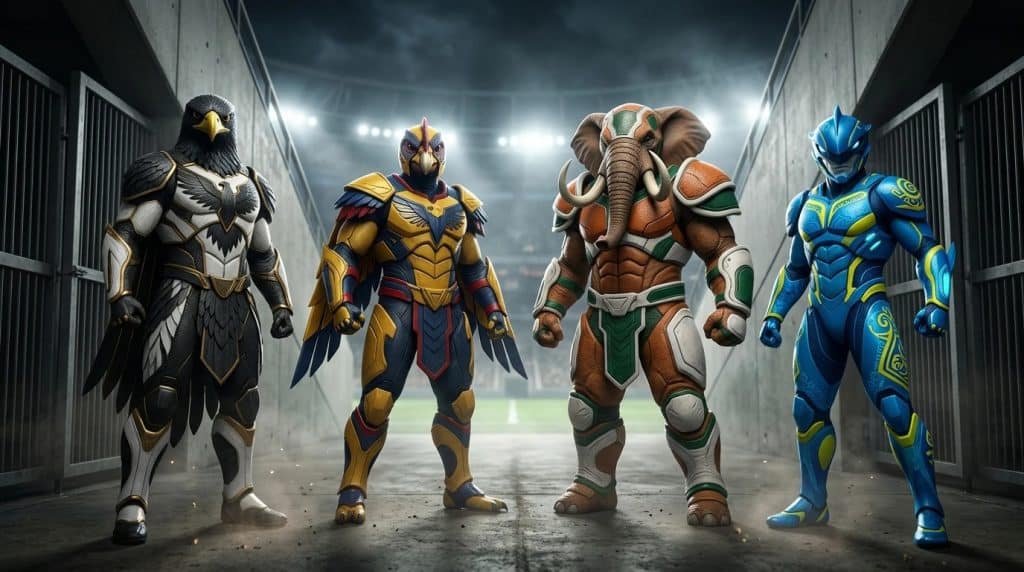
Germany — eagle identity
Germany’s eagle symbolizes authority, tradition, and competitive weight. It feels like a team crest that walked into the room before the players did.
Ecuador — Andean condor
The condor represents altitude, vision, and national pride. It is a strong match for a team often associated with energy and edge.
Côte d’Ivoire — elephant
The elephant symbolizes power and presence. It is not subtle, but neither is getting run over.
Curaçao — island pride / blue sea identity
Curaçao’s symbolic identity naturally leans toward island imagery and bright national colors. It represents freshness, mobility, and one of the tournament’s newer stories.
Group F
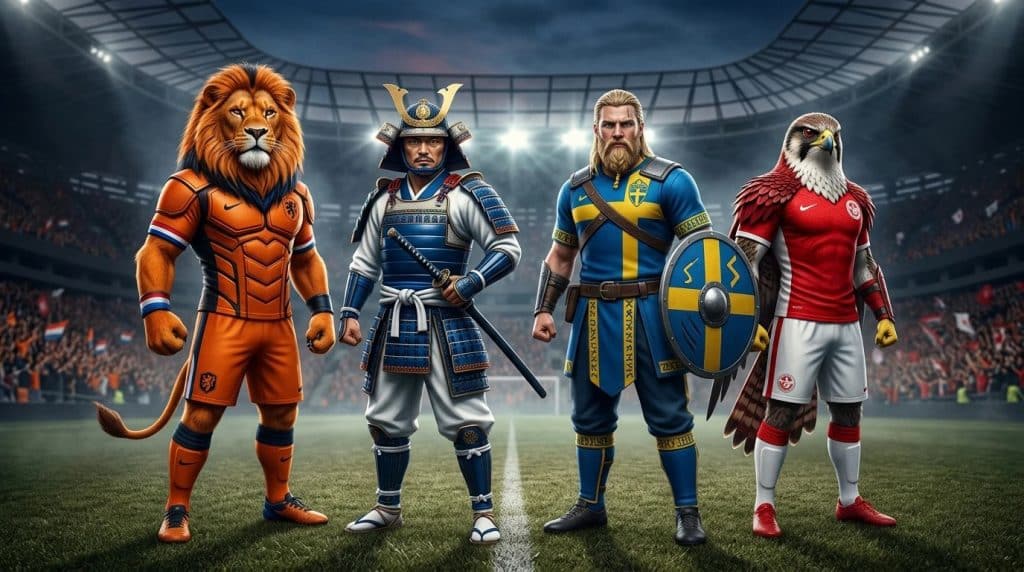
Netherlands — Oranje lion
The Dutch lion and Oranje identity suggest confidence, tradition, and a style that likes the ball and expects to keep it.
Japan — Samurai Blue
Japan’s symbol is one of the cleanest in world football. Samurai Blue represents discipline, honor, and precise execution.
Sweden — Blågult / Nordic lion style
Sweden’s imagery points to organization, calm, and durable tournament instincts. It is the kind of identity that usually means nobody gets an easy 90 minutes.
Tunisia — Eagles of Carthage
The eagle symbolizes speed, pride, and sharp attacking intent. It is a strong nickname with real lift.
Group G
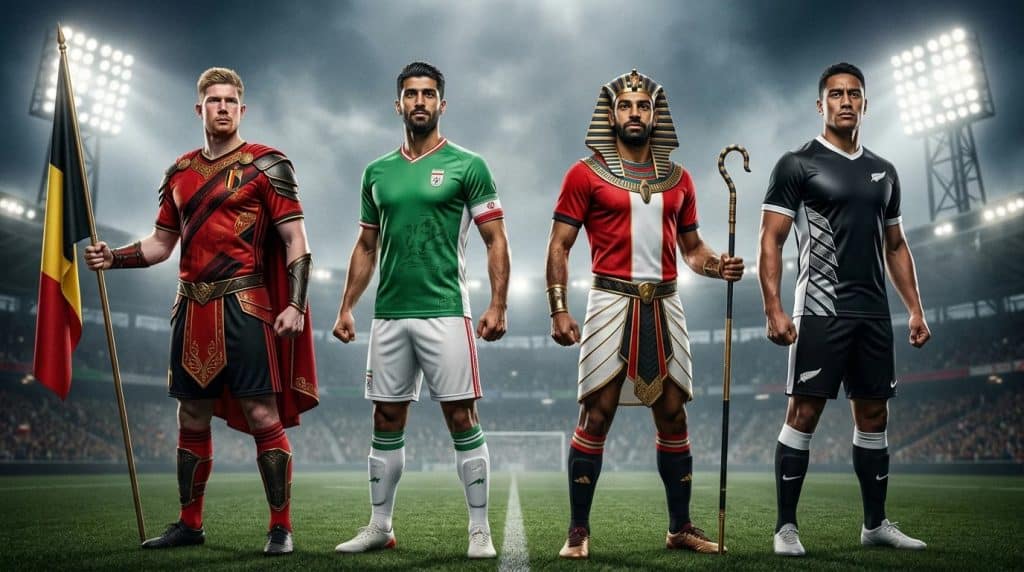
Belgium — Red Devils
Belgium’s Red Devils identity is one of the most recognizable in international football, representing flair, pressure, and high expectations.
Iran — Team Melli / lion-sun heritage echoes
Iran’s image in football is tied to national pride and a disciplined structure. A lion-based or heritage-driven symbol conveys strength, patience, and controlled bite.
Egypt — Pharaohs
This is one of the strongest nickname-symbol pairings in the sport. The Pharaohs represent legacy, leadership, and football history with a proper dramatic entrance.
New Zealand — All Whites
New Zealand’s identity is straightforward and memorable. It suggests unity, national color branding, and an underdog who is perfectly happy to make favorites sweat.
Group H
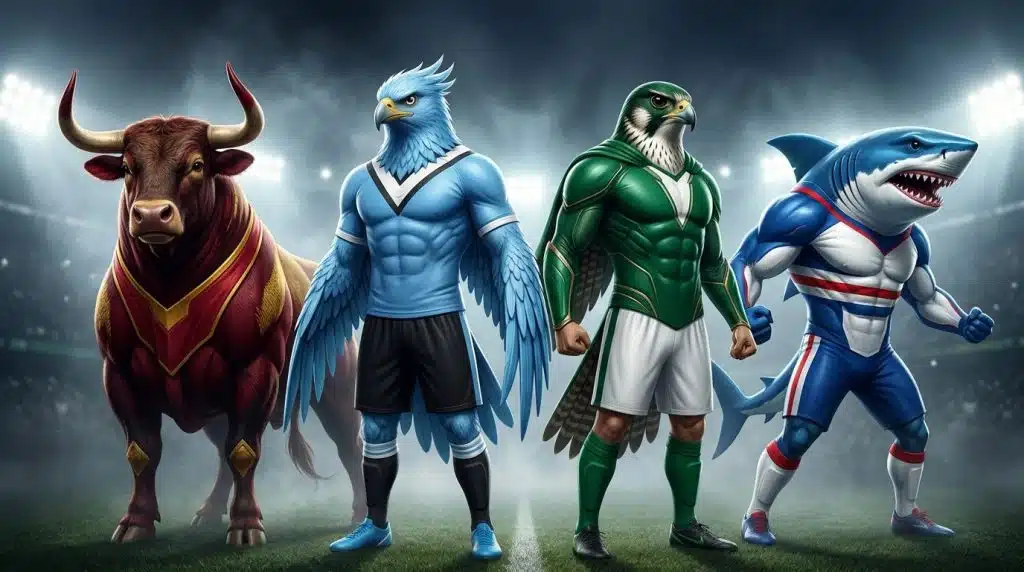
Spain — Bull / La Roja
Spain’s bull symbol, while not an official federation mascot, serves as a fan-friendly visual for strength, passion, and a theatrical national identity, whereas La Roja ties directly to the famous red kit. It is bold, instantly readable, and not exactly shy.
Uruguay — La Celeste
Uruguay’s sky-blue identity represents tradition, pride, and a football nation that punches far above its population.
Saudi Arabia — Green Falcons
The falcon symbolizes speed, vision, and national pride. It is one of the better natural fits in your series.
Cape Verde — Blue Sharks
This symbol reflects island geography, underdog energy, and a team identity with real bite.
Group I
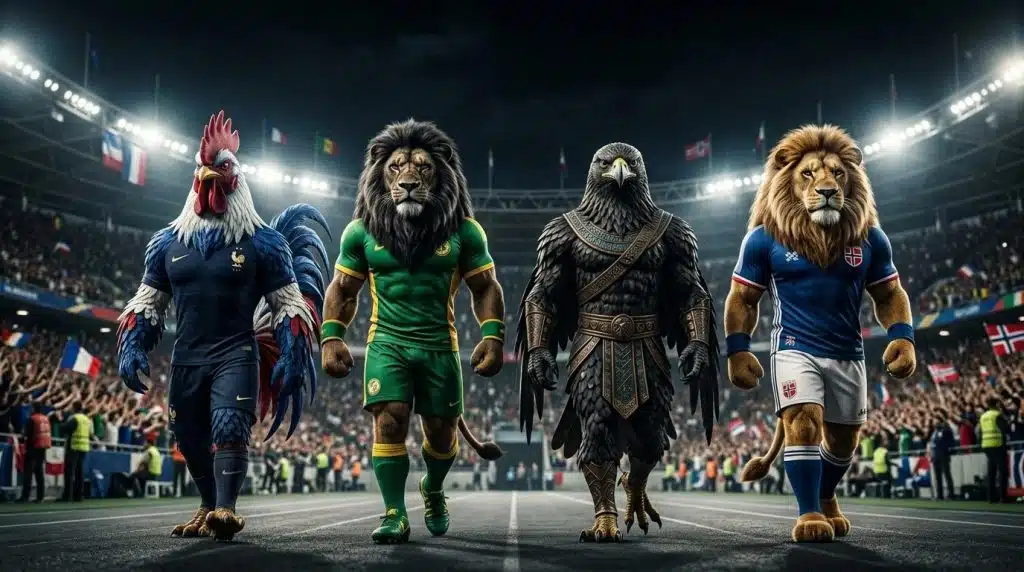
France — Gallic Rooster / Les Bleus
Group I includes France, Senegal, Norway, and Iraq. France’s rooster is one of the classic national football symbols, tied to confidence, heritage, and just enough swagger to make opponents uncomfortable before kickoff.
Senegal — Lions of Teranga
The lion suggests strength and authority, while Teranga brings in hospitality and national identity. It’s one of the few mascots that can roar and still offer you a seat at the table.
Iraq — Lions of Mesopotamia
Iraq’s Lions of Mesopotamia return to the World Cup for the first time since 1986. The name connects modern football to one of the oldest civilizations on earth, giving the team a sense of history that few others can match.
Norway — Viking Style Identity
Norway leans heavily into Viking symbolism in its fan culture. It represents endurance, physical play, and a team that looks like it would enjoy bad weather a little too much.
Group J
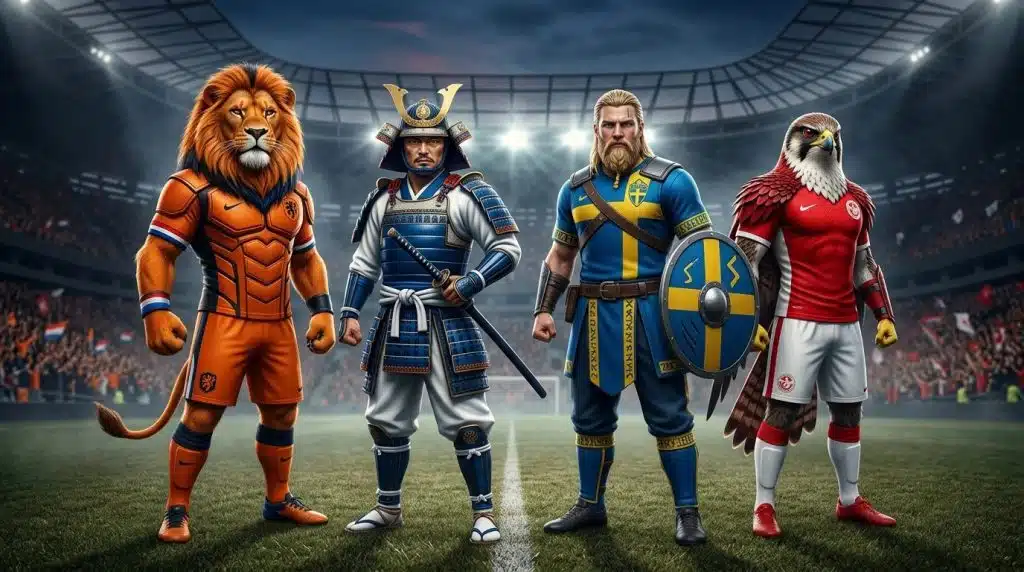
Argentina — La Albiceleste / sun-and-sky identity
Argentina’s identity flows from the sky-blue-and-white shirt, and the symbolism points to elegance, pride, and a country that expects to matter in this tournament.
Austria — Das Team/eagle symbolism
Austria’s eagle-style imagery conveys order and authority, while the team brand leans into discipline and rising confidence.
Algeria — Desert Foxes
One of the best nicknames in the field. The desert fox represents intelligence, speed, and survival in hard conditions.
Jordan — Nashama
Jordan’s football identity emphasizes courage, dignity, and national spirit. It gives the team a grounded, proud tone.
Group K
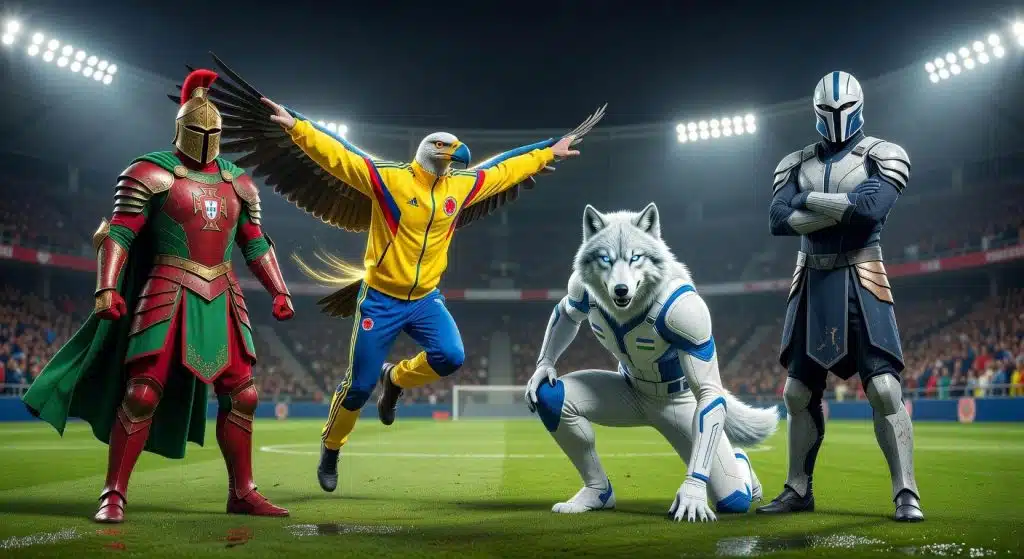
Portugal — Seleção das Quinas
Portugal’s symbolism draws on the national crest tradition and conveys heritage, ambition, and a country that usually arrives expecting to make noise.
Colombia — Los Cafeteros / condor imagery
Colombia often blends coffee-country identity with soaring national-bird symbolism. It represents flair, rhythm, and altitude-level confidence.
Uzbekistan — White Wolves
The wolf suggests focus, persistence, and a debutant who does not plan to act timidly about it.
Group L
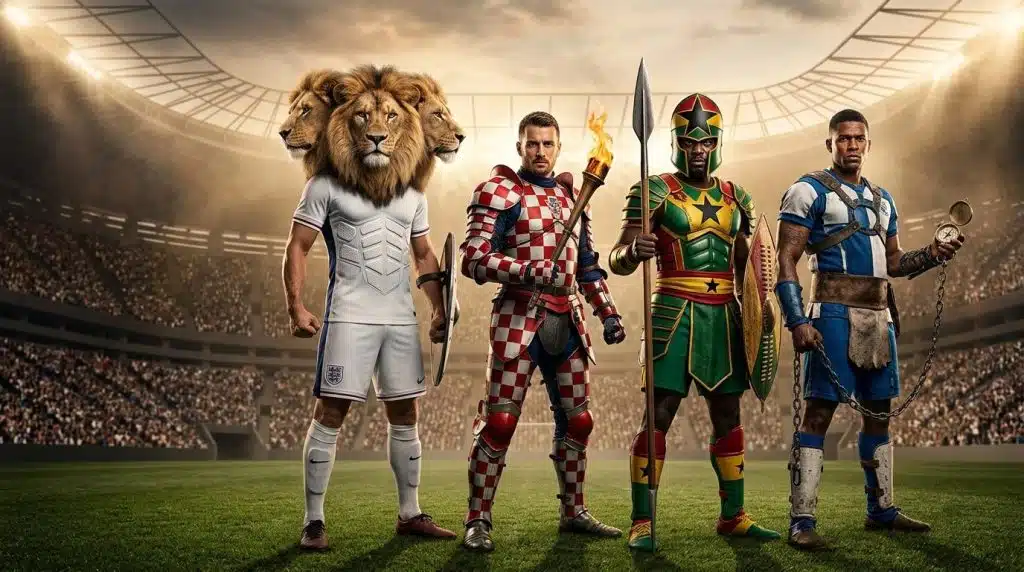
England — Three Lions
England’s Three Lions emblem is one of the most famous national-team symbols anywhere, representing heritage, pressure, and enough expectations to power a medium-sized city.
Croatia — Vatreni
Often translated as “the Blazers,” Croatia’s identity signals fire, intensity, and a national team that keeps turning tournaments into habit.
Ghana — Black Stars
The Black Stars represent national pride, continental significance, and one of the strongest visual identities in African football.
Panamá — Los Canaleros
This nickname ties directly to national identity and geography. It suggests grit, work ethic, and a team comfortable playing spoiler.