The Brand Mascot Renaissance
Why Every Company Suddenly Wants a Mascot in 2026
Somewhere between the algorithm fatigue and the influencer burnout, brands rediscovered an old trick: give people a character to love, and they’ll love the product that comes with it. Welcome to 2026, the year mascots quietly took back marketing.
It Started With an Owl
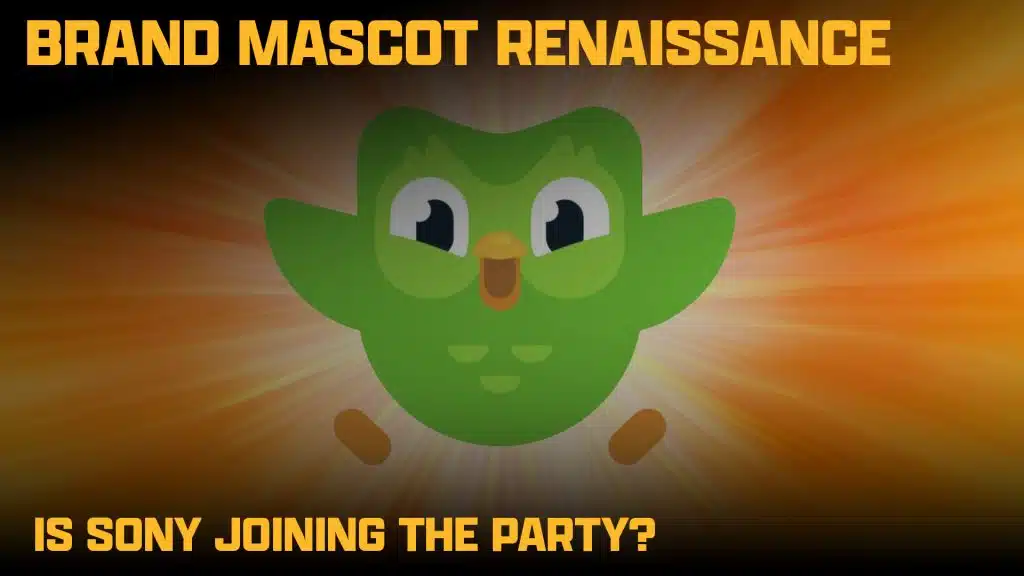
Duolingo’s unhinged green owl didn’t just sell language lessons — it proved a mascot with an actual personality could dominate social media in a way a polished ad campaign never could. The owl went from an app icon to the internet’s main character, threatening users, showing up at award shows, and generally behaving as if it had never once considered “brand safety” a real concept. Every marketing department watching took notes.
Crocs Hatches Niles
Crocs spent nearly 25 years with a crocodile silhouette sitting quietly on the side of its Classic Clog. This August, that silhouette got a body. Niles — six feet tall, freshly hatched after a month of viral teaser content — is now the face of an entirely new storytelling strategy for the brand, appearing in an original micro-series filmed at Crocs headquarters.
“He’s been hiding in plain sight for nearly 25 years,” said Crocs Chief Brand Officer Terence Reilly. “We figured he deserved a promotion from rivet to real life.” Niles isn’t a one-off gimmick, either — Crocs has described him as a long-term investment in scalable intellectual property, treating him less like a mascot and more like a character the brand can keep writing for. (Source: WWD)
Stanley Gives Its Toolbox Some Attitude
Not to be outdone, Stanley — yes, the tool company — introduced Stan, a sharp-tongued, sentient talking toolbox, as the face of its new “All Build. No Bull.” campaign this August. Across 10 ad spots, Stan calls out marketing hype and overengineered gadgets on behalf of tradespeople who, according to Stanley, are too savvy to fall for empty promises anymore.
“If it sounds like bull, it usually is,” Stan announced at launch. It’s a bold strategic bet: hand your brand voice over to a toolbox of opinions in a shrinking tool category, and hope the personality does what the tagline couldn’t. (Source: Marketing Dive)
Sony Might Be Next
After Sony’s July announcement that it will discontinue physical PlayStation discs starting in 2028 — a decision that did not go over quietly with longtime fans — the company found itself in need of some goodwill. Reports suggest Sony is actively exploring new mascot candidates to build brand affection, as Nintendo has with Mario for decades, with one reported contender being Nemu the Night Owl.
Meanwhile, at least one tech journalist has floated a cheekier option: “Disc-guy,” a mascot proposed half-jokingly as a tribute to the physical media Sony just left behind. Sony hasn’t confirmed anything official yet, but the fact that the search is happening at all suggests where brand strategy is headed. (Source: reported via iXBT Games)
The Rest of the Mascot Economy
The 2026 wave isn’t happening in a vacuum — it’s built on decades of proof that a good mascot works, alongside a few brand-new entrants proving the strategy still has legs.
Duo the Owl (Duolingo) — The owl that started this whole conversation. Duo’s unhinged, borderline-threatening social media persona turned a language-learning app into a genuine internet phenomenon, and every brand chasing “mascot with personality” in 2026 owes it a debt.
Bibendum, the Michelin Man — Born in 1898 at the Lyon Universal Exhibition, Bibendum is 128 years old and one of the oldest trademarks still in active use anywhere in the world. Proof that a great mascot isn’t a trend — it’s a century-long investment. (Source: Michelin USA)
Tony the Tiger (Kellogg’s) — Roaring “They’re Grrreat!” since 1952, Tony remains one of the longest continuously running mascots in American advertising, proving cereal-aisle charisma never really goes out of style.
Ronald McDonald — Since 1963, one of the most globally recognized mascot faces in history, right up there with Santa Claus in terms of raw name recognition.
Clippy (Microsoft) — The paperclip assistant that “helped” — and mildly tormented — Office users from 1996 until Microsoft retired him in 2001. Clippy remains one of the internet’s favorite examples of a mascot so annoying he became beloved purely out of nostalgia.
The GEICO Gecko — Since 1999, the small green lizard with the British accent has helped GEICO become one of the most recognized names in insurance, proving mascots work just as well for boring industries as fun ones.
Mr. Clean — In a fitting contrast to 2026’s mascot boom, Procter & Gamble announced in February that Mr. Clean was retiring after 68 years on the job, since his 1958 debut. He didn’t. The product isn’t going anywhere — just the bald, bicep-flexing face behind it. (Source: Washington Times)
Raser (Erase.com) — One of 2026’s newest entrants: the online reputation management company introduced Raser as its first-ever brand mascot this year, holding the title “Chief Erasing Officer.” Even reputation management needs a friendly face now.
Kumamon (Kumamoto Prefecture, Japan) — Japan’s mascot economy operates on an entirely different scale, and Kumamon is one of its biggest stars — a black bear mascot so beloved he generates real regional tourism revenue. He recently resumed public duties after a break following the Kumamoto earthquake, and his return made news in its own right.
Guard Dog (Shiba Inu crypto community) — Even cryptocurrency has caught mascot fever. The Shiba Inu token’s official account has leaned into its dog mascot as a recurring character for community engagement — proof the trend has spread well past traditional consumer brands and into corners of the internet nobody expected.
Why Now?
The pattern isn’t a coincidence. Brand mascots build stronger, longer-lasting customer bonds than celebrity endorsements — a mascot never asks for a bigger contract, never has an off-brand scandal, and never signs with a competitor. It’s a character a company owns outright, one that can headline a Super Bowl ad one year and a TikTok skit the next, without a single renegotiation.
In a marketing landscape where audiences are increasingly skeptical of traditional advertising, a mascot with a genuine personality — funny, a little unhinged, occasionally talking back to the brand that created it — cuts through in a way a polished tagline simply can’t.
Crocs has Niles. Stanley has Stan. Sony might soon have an owl. And somewhere, Duolingo’s owl is watching all of this happen and, we assume, feeling extremely validated.
Mascots aren’t a nostalgia play anymore — they’re a strategy. And if 2026 is any indication, this is just the beginning.
What brand do you think needs a mascot next? Let us know at mascothalloffame.com.